
Not Everyone Can Play an Instrument but Anyone Can Enjoy Classical Music

Updated: Jul 8
Classical music often feels like a world reserved for those who can play an instrument or have formal training. Yet, this beautiful art form is for everyone. You don’t need to master the violin or piano to appreciate the rich sounds and emotions classical music offers. In fact, anyone can enjoy it, especially children. It can open doors to creativity, calmness, and joy.
Let me share why classical music is accessible to all and how it can become a part of your family’s life, even if no one in your home plays an instrument.
Why Playing an Instrument Isn’t the Only Way to Connect with Classical Music
Many people believe that to truly enjoy classical music, you must be able to play an instrument. This idea can discourage families from exploring this genre. But listening is just as powerful as playing.
Classical music tells stories without words. It paints pictures with sound. You can feel the excitement of a fast-paced concerto or the calm of a gentle adagio without knowing how to read music or play notes.
Listening to classical music can:
Help children develop focus and patience
Encourage imagination and creativity
Provide a soothing background for study or relaxation
Introduce children to history and culture through composers’ stories
You don’t need to be a musician to enjoy these benefits. Simply pressing play and listening with your child can be a wonderful experience.

Listening to classical music can be a calming and inspiring experience for children.
How to Make Classical Music Enjoyable for Children
Introducing classical music to children can be tricky if it feels too formal or complicated. The key is to make it fun and relatable. Here are some simple ways to do that:
Choose music with stories or characters. Pieces like Saint-Saëns’ Carnival of the Animals or Prokofiev’s Peter and the Wolf tell stories through music. Children can imagine the animals or characters as they listen.
Use guided listening sessions. These sessions help children focus on different instruments or themes in the music. They can ask questions and share what they hear.
Mix classical music with activities. Drawing, dancing, or even simple crafts can be paired with music to make it more engaging.
Explore music apps or platforms designed for kids. These often include games, quizzes, and interactive features to keep children interested.
One great example is the service Classic Kidz, which offers personalised, live guided listening sessions for children aged 6-14. This approach helps children discover classical music in a way that feels personal and fun, without needing to play an instrument themselves.
The Role of Technology in Enjoying Classical Music
Technology has made classical music more accessible than ever. Streaming services, apps, and online platforms bring thousands of pieces to your fingertips. You can listen anytime, anywhere, and explore different styles and composers.
For families, this means:
Easy access to a wide range of music
The ability to create playlists tailored to your child’s tastes
Opportunities to join live sessions or virtual concerts
Tools to learn about music in an interactive way
For example, the Classic Kidz platform offers live guided listening sessions that are tailored to children’s interests and attention spans. This personalised approach helps children connect with music on a deeper level, even if they don’t play an instrument.

Technology helps children explore classical music in fun and interactive ways.
How Parents Can Support Their Children’s Love for Classical Music
You don’t need to be a musician to encourage your child’s interest in classical music. Here are some simple ways to support their journey:
Listen together regularly. Make classical music part of your daily routine, whether during car rides, mealtimes, or quiet moments.
Attend concerts or live performances. Many orchestras offer family-friendly shows or open rehearsals.
Encourage curiosity. Ask your child what they like or don’t like about a piece. Let them explore their own tastes.
Provide access to instruments or music lessons if they show interest. But don’t pressure them to play. Enjoyment comes first.
Using services like Classic Kidz can also help parents who may not feel confident in their own musical knowledge. The live guided sessions provide expert support and make classical music approachable for the whole family.
The Joy of Sharing Classical Music Without Playing an Instrument
One of the most beautiful things about classical music is that it can bring people together. You don’t have to play an instrument to share the joy of music with your child. Listening together can create special moments and memories.
Children can learn to appreciate the different sounds, rhythms, and emotions in music. They can develop a lifelong love for this art form that enriches their lives in many ways.
Remember, the goal is to enjoy the music, not to master it. Whether it’s a quiet evening at home or a lively concert, classical music is there for everyone to enjoy.
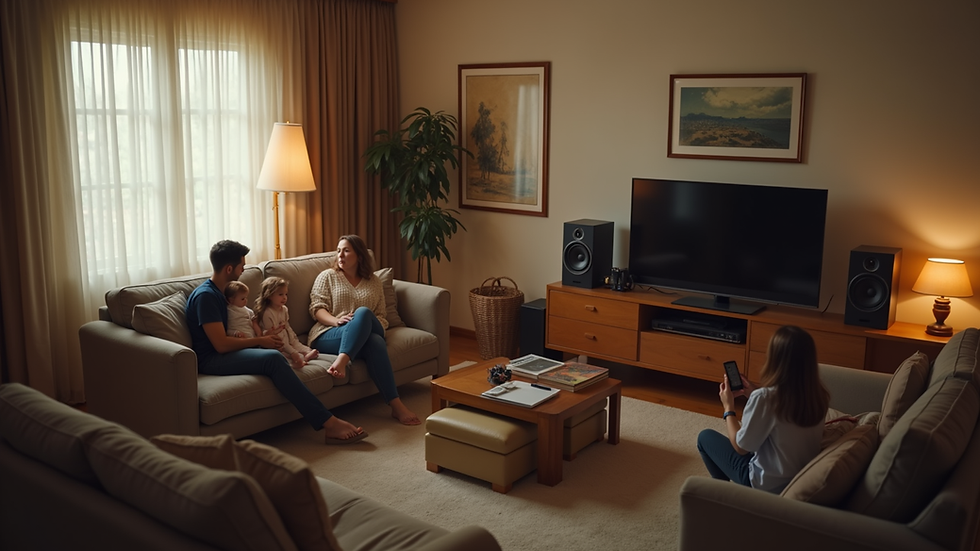
Classical music can create warm family moments without needing to play an instrument.
Embracing the World of Classical Music Together
Classical music is a gift that anyone can enjoy. You don’t need to play an instrument to feel its power and beauty. With the right approach, children can discover this wonderful world and carry a love for music throughout their lives.
If you want to help your child explore classical music in a fun and personal way, consider trying live guided listening sessions like those offered by Classic Kidz. It’s a simple step that can open up a whole new world of sound and imagination for your family.
The Lasting Impact of Classical Music
Classical music can have a profound impact on children. It can enhance their cognitive abilities, improve their emotional well-being, and foster a sense of community. By exposing your child to this genre, you are giving them a gift that lasts a lifetime.
Creating a Musical Family Tradition
Consider making classical music a part of your family traditions. Perhaps you can have a "classical music night" each week. You could listen to a new piece, discuss it, and even create art inspired by the music. This shared experience can strengthen family bonds and create lasting memories.
Encouraging Exploration and Discovery
Encourage your child to explore different composers and styles. Let them choose what they want to listen to. This autonomy can make them feel more connected to the music. You might be surprised by their choices!
The Power of Live Music Experiences
Attending live performances can be a magical experience. The energy of a live orchestra can be exhilarating. It can ignite a passion for music in your child. Look for family-friendly concerts in your area. Many venues offer special rates for children.
Conclusion: A Journey of Musical Discovery
In conclusion, classical music is not just for musicians. It is for everyone, especially children. By introducing them to this genre, you are opening doors to creativity, joy, and connection. Remember, the journey of musical discovery is just as important as the destination. Enjoy every moment together as you explore the world of classical music.
By embracing classical music as a family, you create a nurturing environment for your child’s love of music to flourish. So, press play, listen, and let the music fill your home with joy.


Comments